
THE USEFUL BITS / VOLUME 01
Kitchen
Notes.
Small techniques. Better dinners. A practical field guide to the details that make cooking feel easier.
21 practical guides. Plenty of dinners to use them in.
Find your next kitchen trick ↓Open the notebook.
TECHNIQUE · TIMING · TASTE
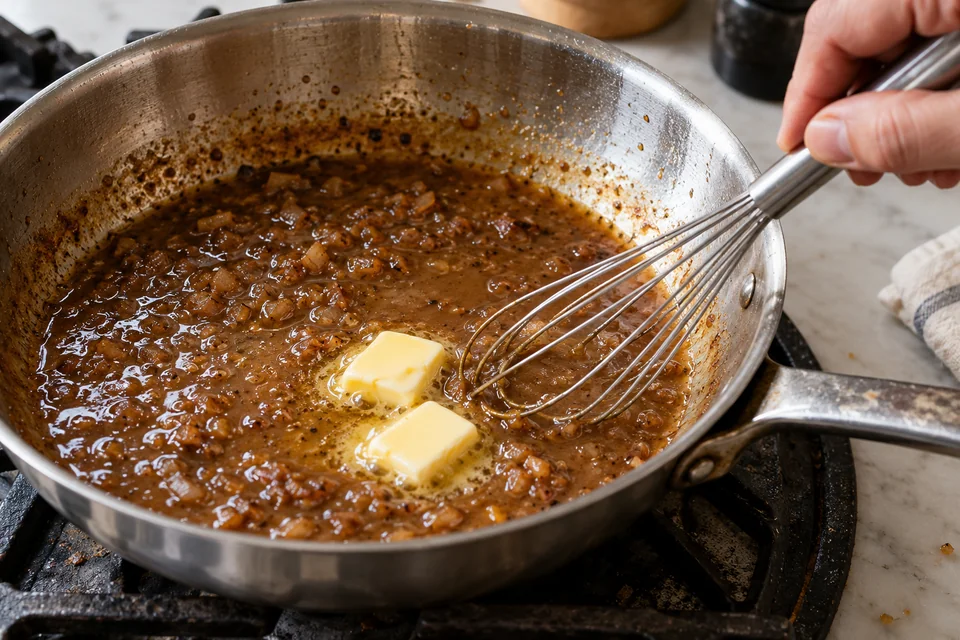
Turn the pan into a sauce
The good bits are already there. Lift them, reduce gently and finish with butter for a sauce that belongs with dinner.
Read the guide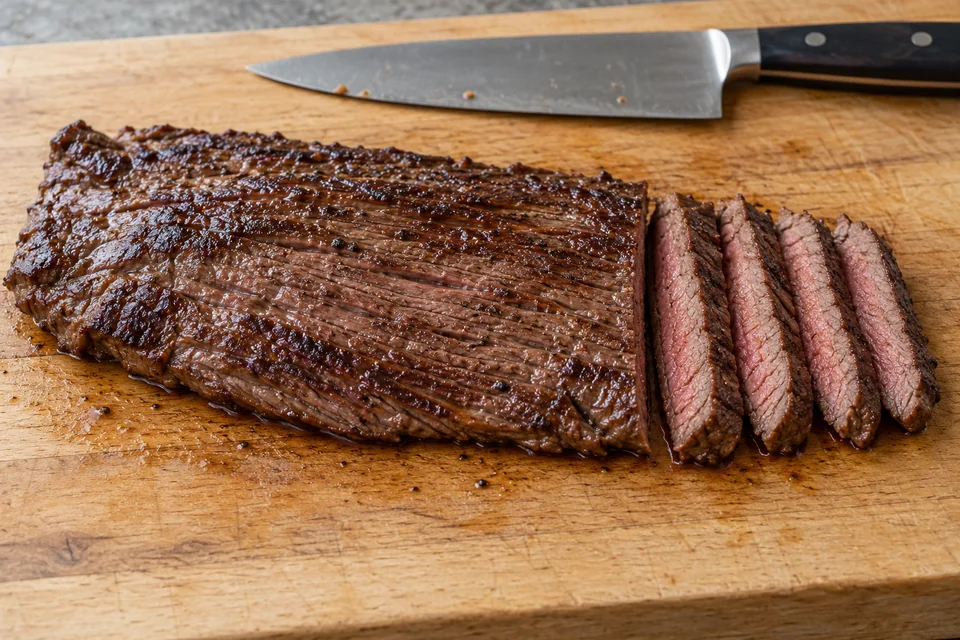
Slice across the grain
One small change at the board makes a big difference to a piece of steak. Find the fibres, then shorten them.
Read the guide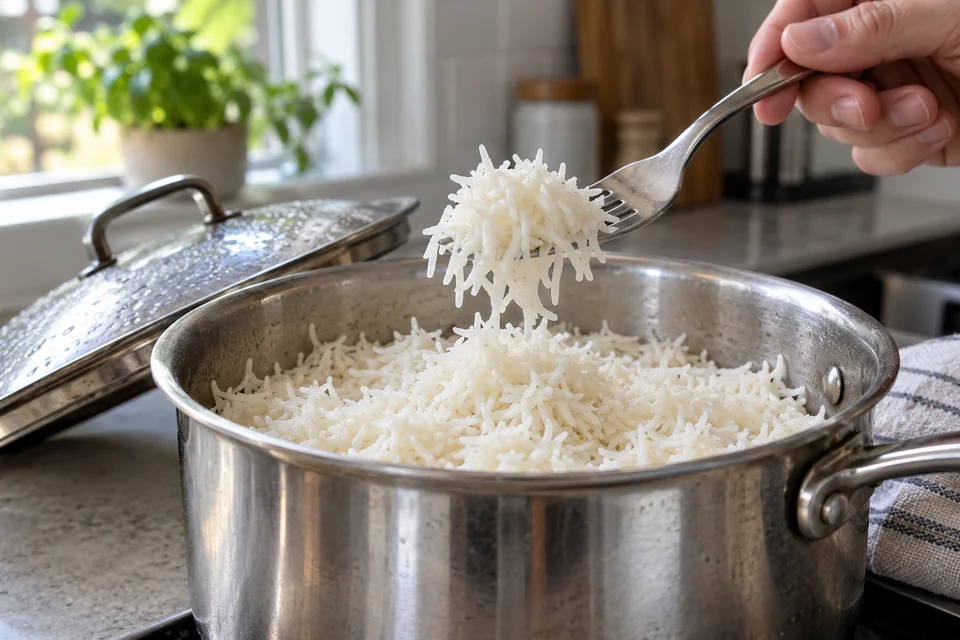
Basmati, light & separate
A measured amount of water, a quiet simmer and a proper rest. Give the grains a consistent beginning.
Read the guide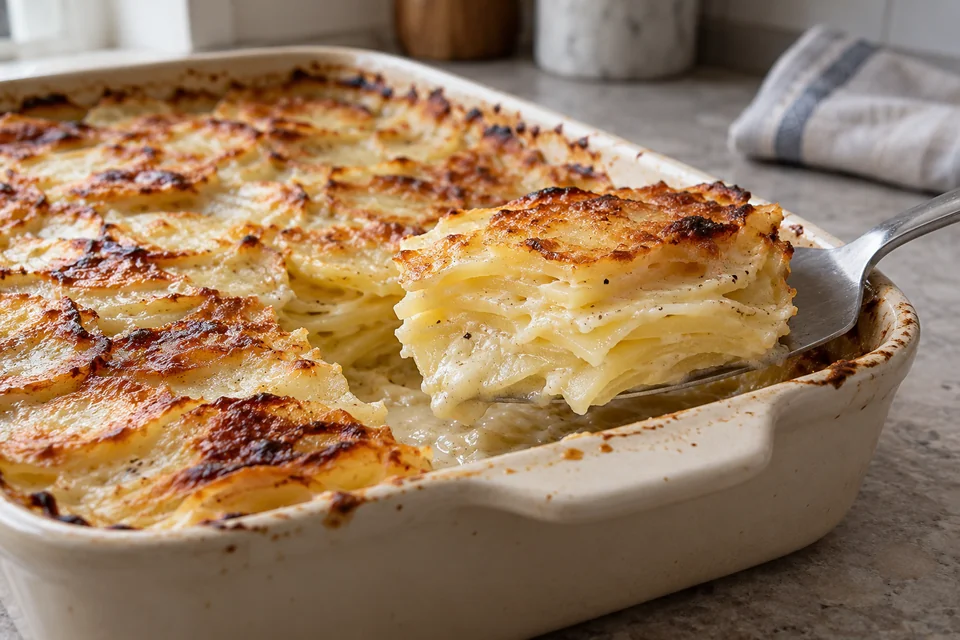
Potato gratin, all the way through
A golden lid is only half the job. Thin layers and a gentle bake give the centre the attention it deserves.
Read the guide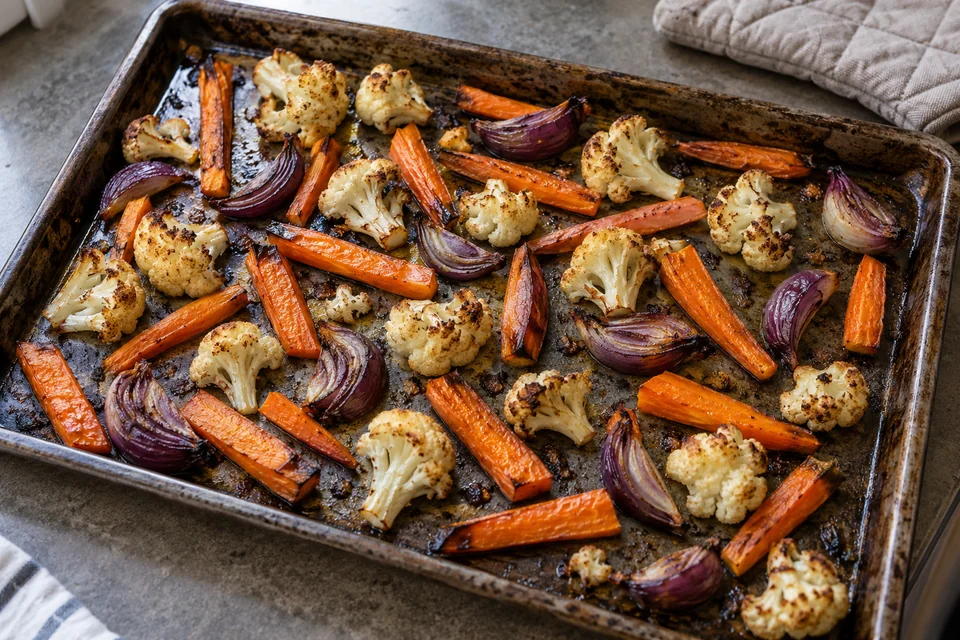
Give vegetables some space
A tray can be full without being crowded. Dry surfaces, useful cuts and a little breathing room make the difference.
Read the guide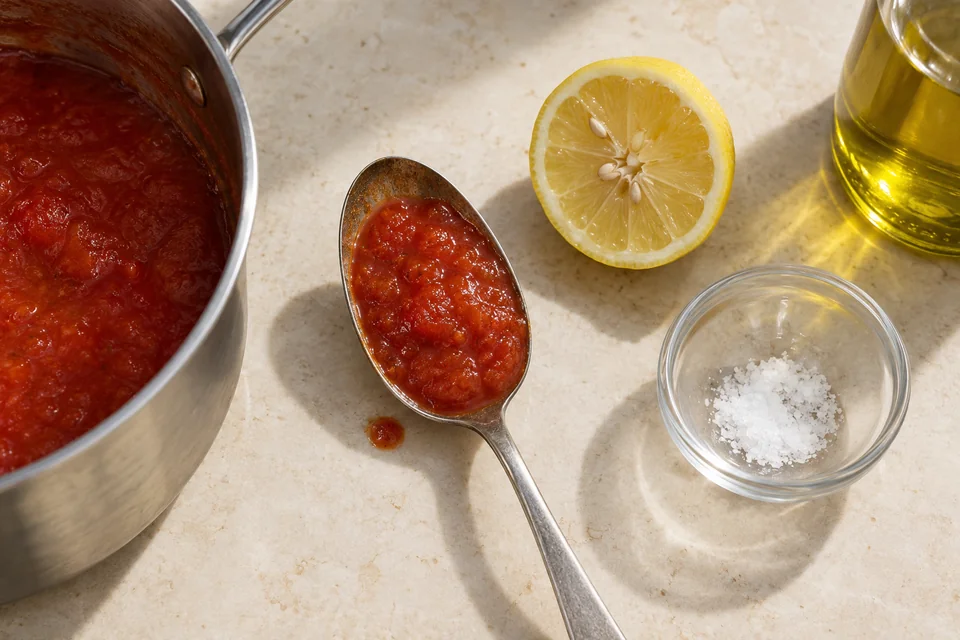
Taste, adjust, taste again
When dinner needs something, stop guessing at the whole pot. A spoonful gives you a small, useful place to experiment.
Read the guide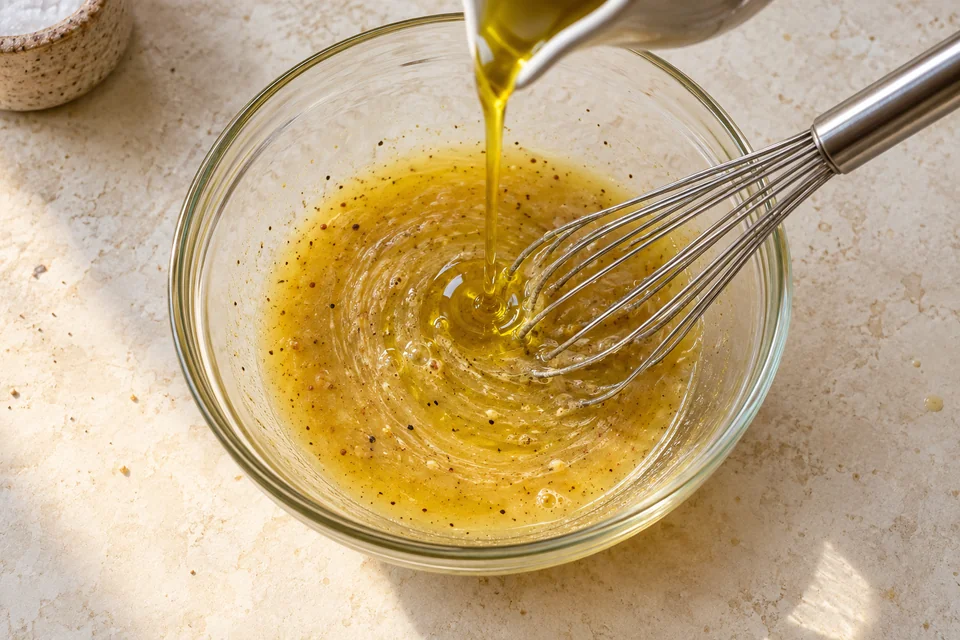
A dressing that holds together
Oil and vinegar need a little encouragement. A spoon of mustard and a steady whisk turn them into something that coats the leaves.
Read the guide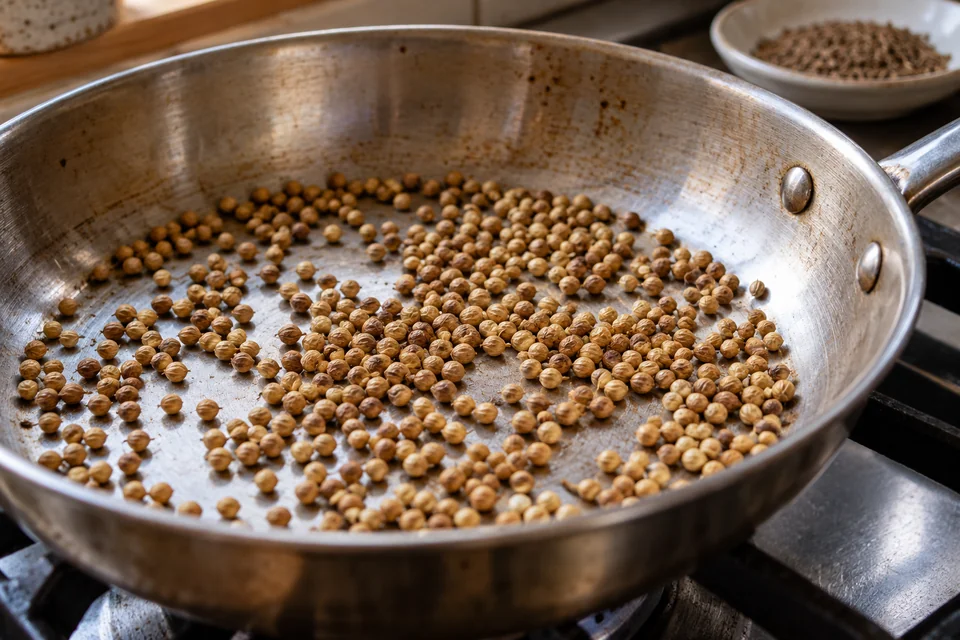
Wake up whole spices
A brief visit to a dry pan gives whole cumin and coriander a warmer voice. Stay close and let the smell tell you when to stop.
Read the guide
Softer scrambled eggs
Gentle heat gives you time to notice the change. Fold the eggs into tender curds and move them to a plate before the pan dries them out.
Read the guide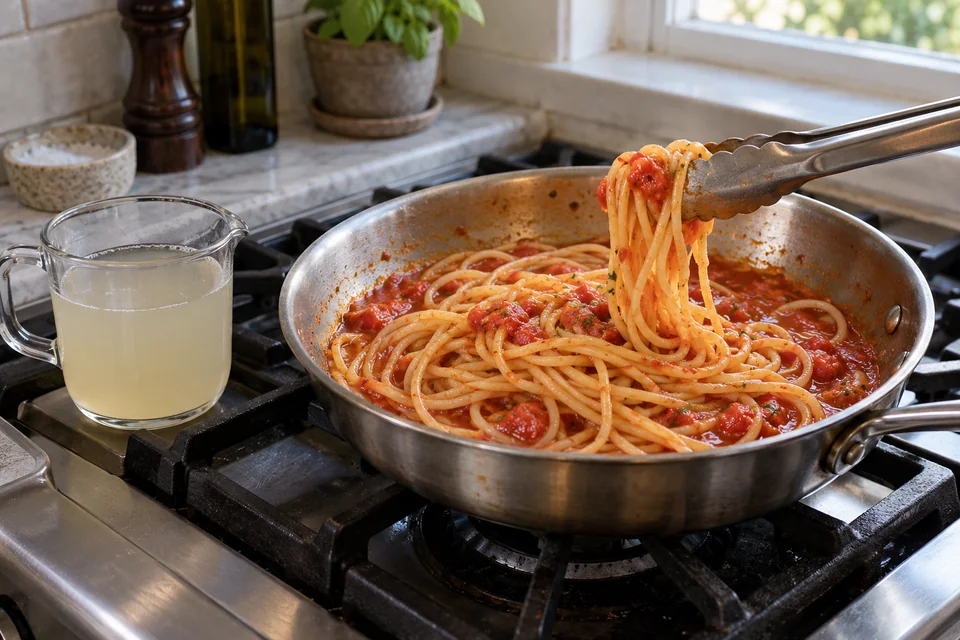
Keep a cup of pasta water
The finish happens in the sauce pan. A little cloudy cooking water helps turn separate pasta and sauce into one good mouthful.
Read the guide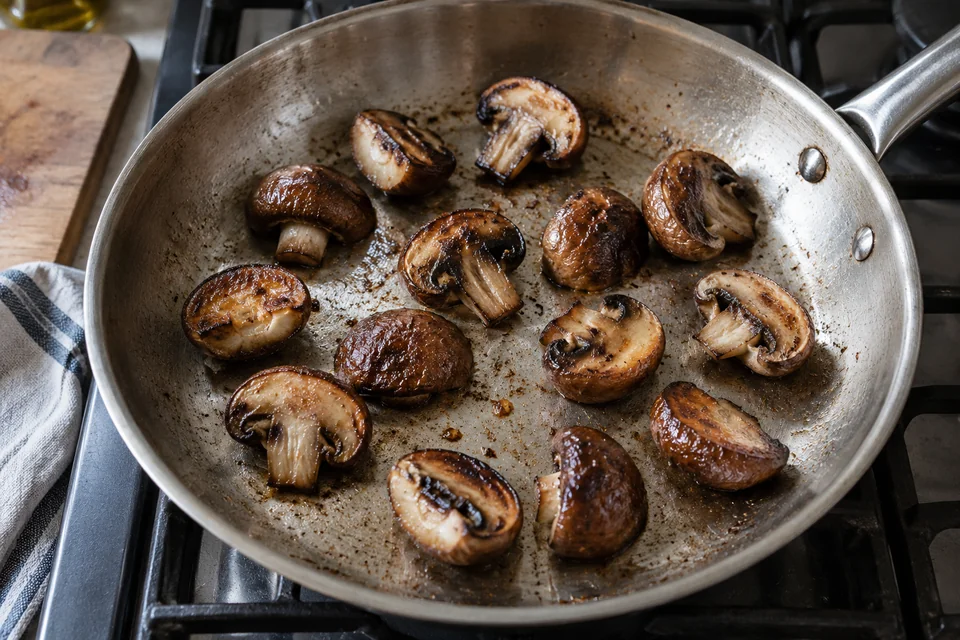
Let mushrooms turn golden
Give their cut faces a chance to meet the pan. Once the surface moisture has gone, a deeper flavour is only a little patience away.
Read the guide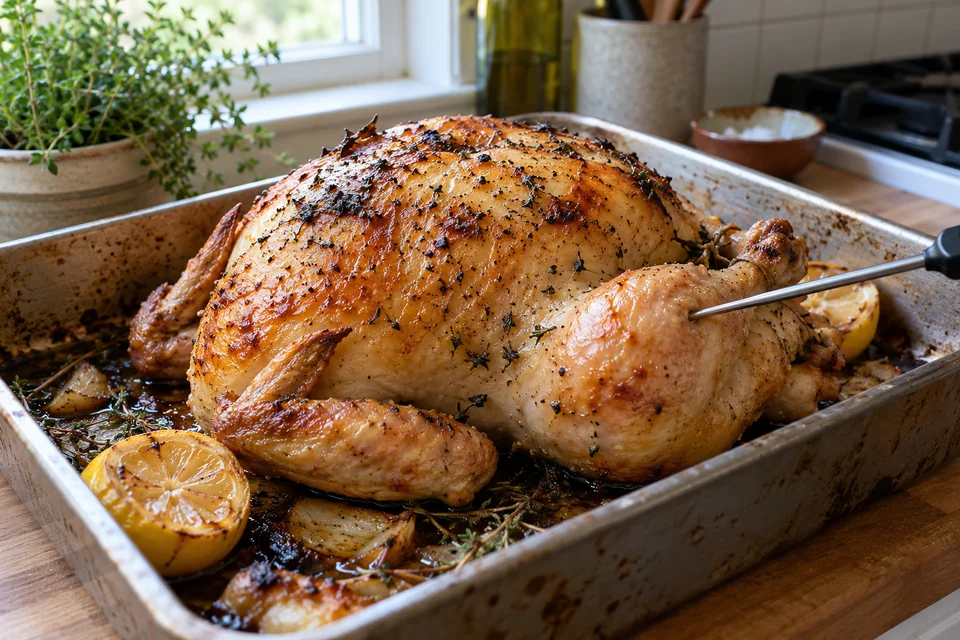
Roast chicken, checked properly
A golden skin makes a promise. A thermometer tells you what is happening underneath it, so you can stop guessing at dinner.
Read the guide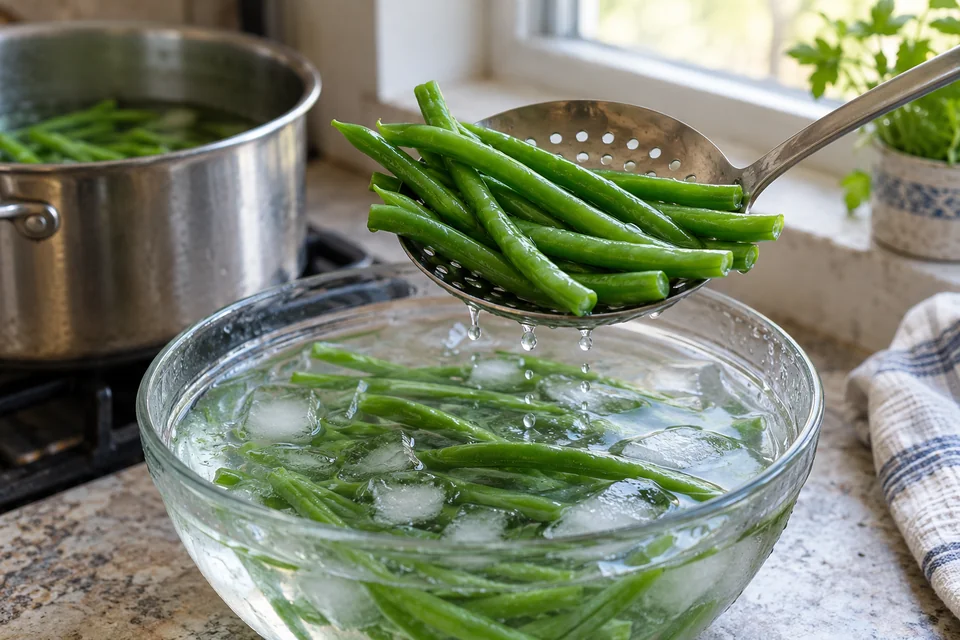
Keep the green in green beans
A short boil followed by a cold stop gives green beans a fresh colour and a useful bite. Dry them before the final dressing.
Read the guide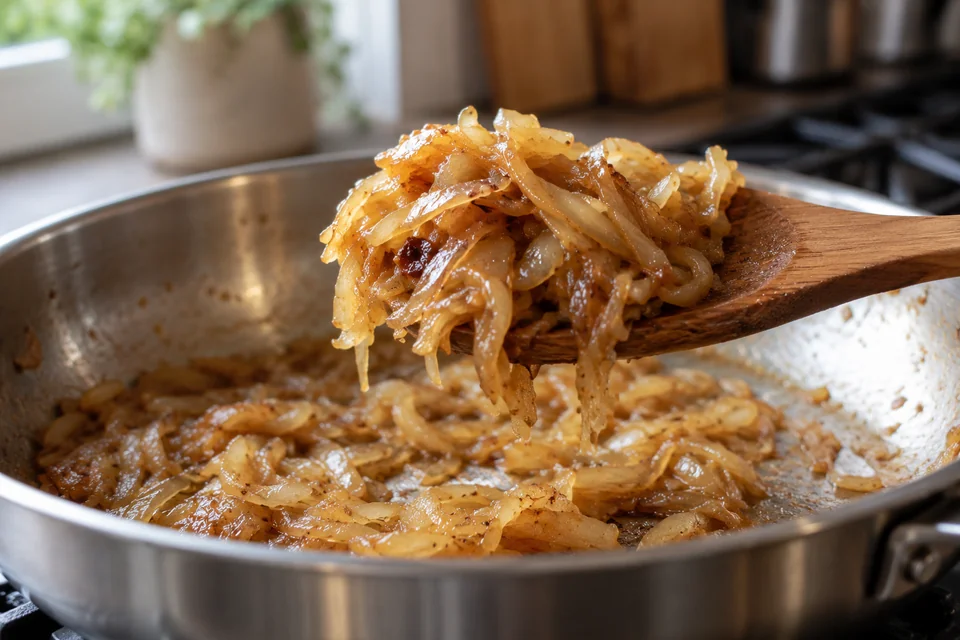
Give onions the time they need
Soft, evenly brown onions come from a patient pan. The useful shortcut is learning when to stir and when to add a splash of water.
Read the guide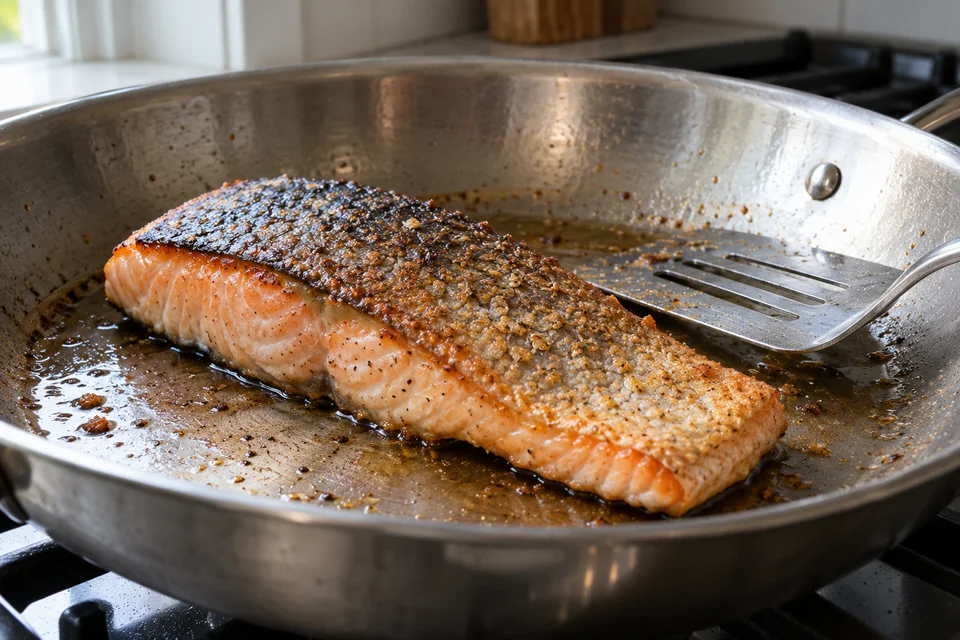
Crisp skin, carefully cooked fish
Start with a dry surface and let the skin do most of the work. A patient first side keeps the fish intact and gives the skin time to crisp.
Read the guide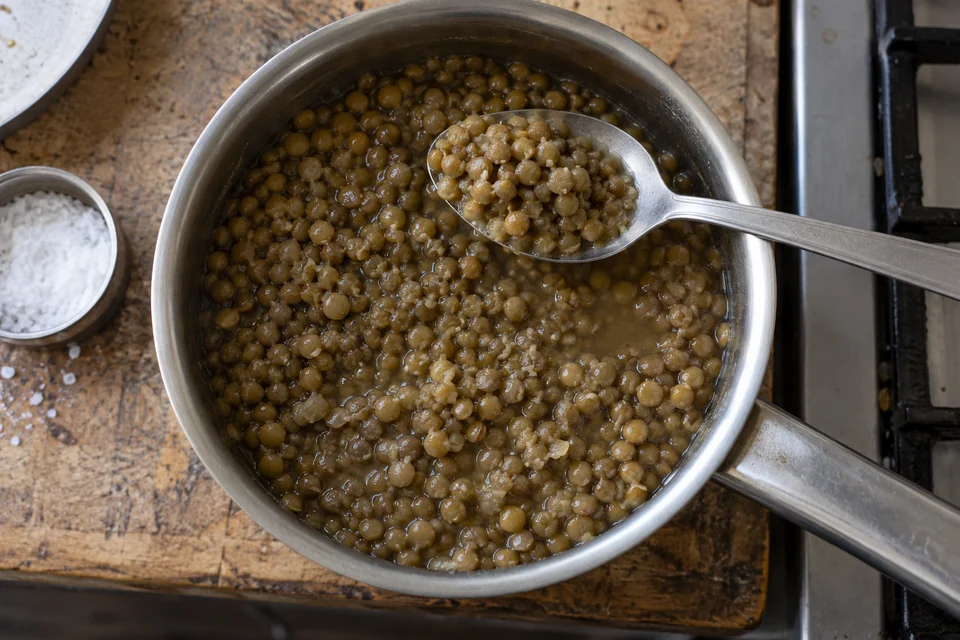
Lentils that keep their shape
A quiet simmer is kinder than a rolling boil. Cook whole lentils until tender, then add the sharp dressing that makes them taste alive.
Read the guide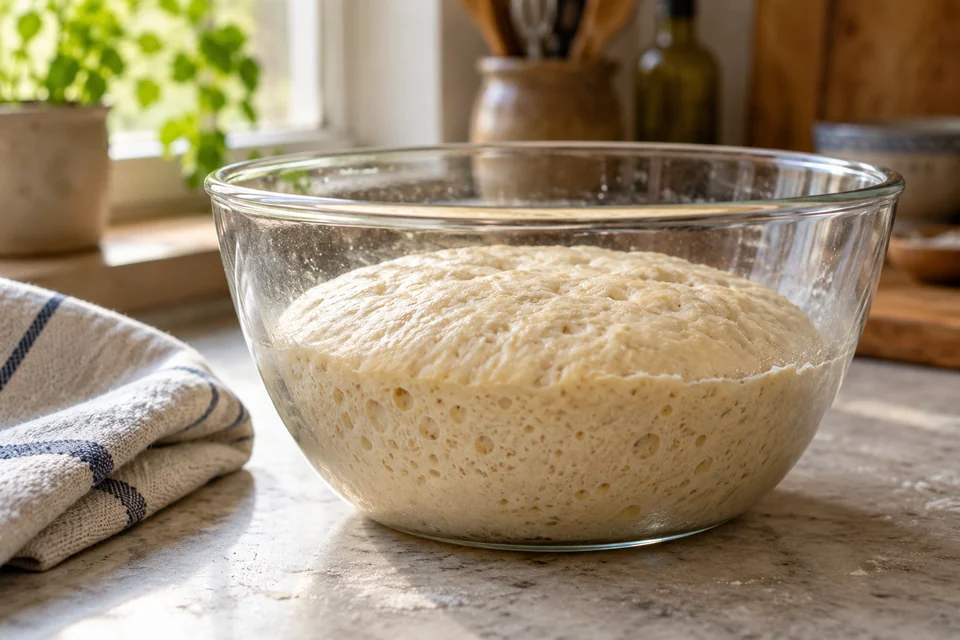
Read the dough, not just the clock
A cooler kitchen slows things down. Learn the difference between the first rise and the final proof, and give your loaf the time its dough needs.
Read the guide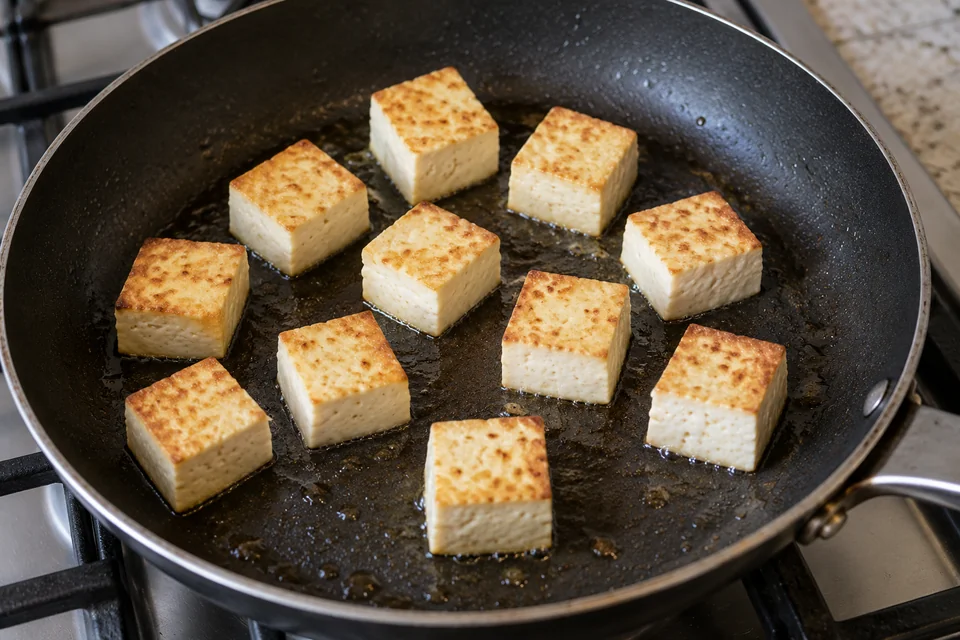
Give tofu a crisp edge
Start firm, remove the surface water and let each side meet the heat. Save the wet sauce for the final moment.
Read the guide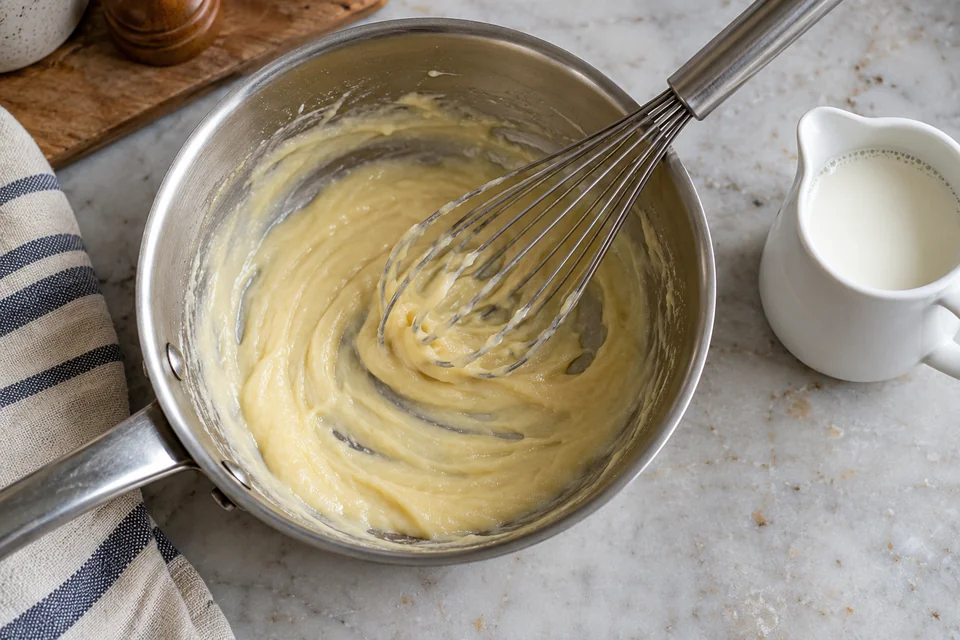
A smooth sauce starts with a roux
Butter and flour make the beginning, not the finished sauce. Add the milk in stages, then give the whole thing time to cook.
Read the guide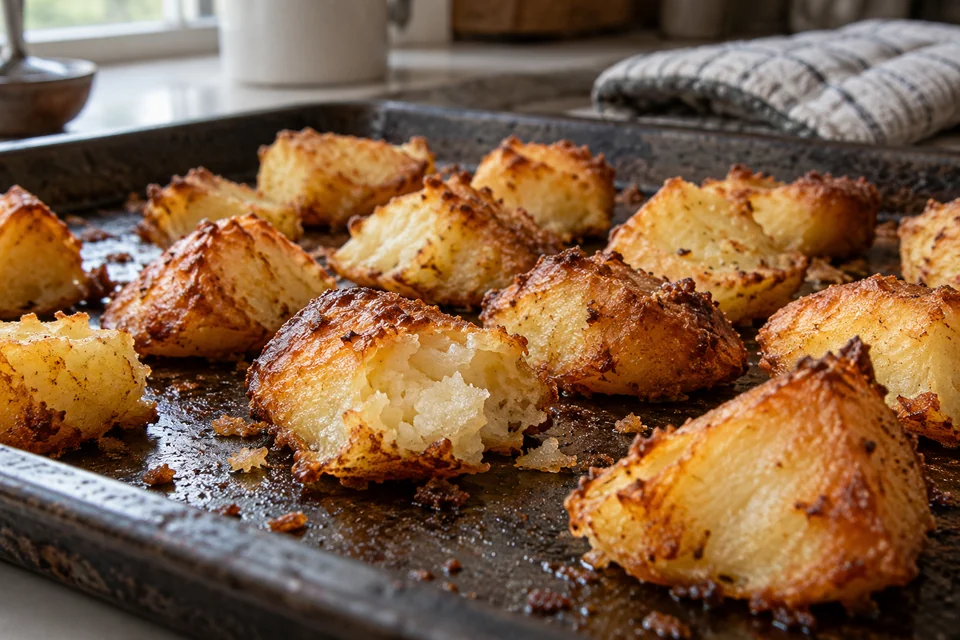
Rough edges, crisp potatoes
The crust begins before the roasting tray. Parboil, let the steam escape and gently rough up the edges that will turn golden.
Read the guide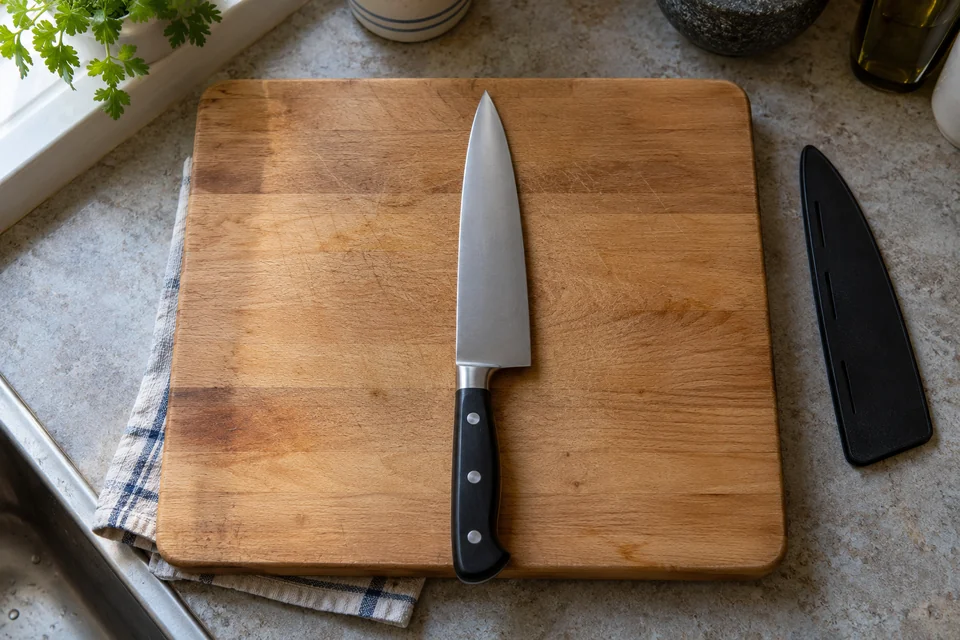
Look after the edge
A useful knife needs more than occasional sharpening. A stable board, a quick hand-wash and protected storage make every chopping session better.
Read the guideKNOW THE WHY. ENJOY THE COOKING.
Put it into practice.
Pick a dish, take your time and taste along the way.
Find something to cook ↗